What Does Car Shipping Cost?
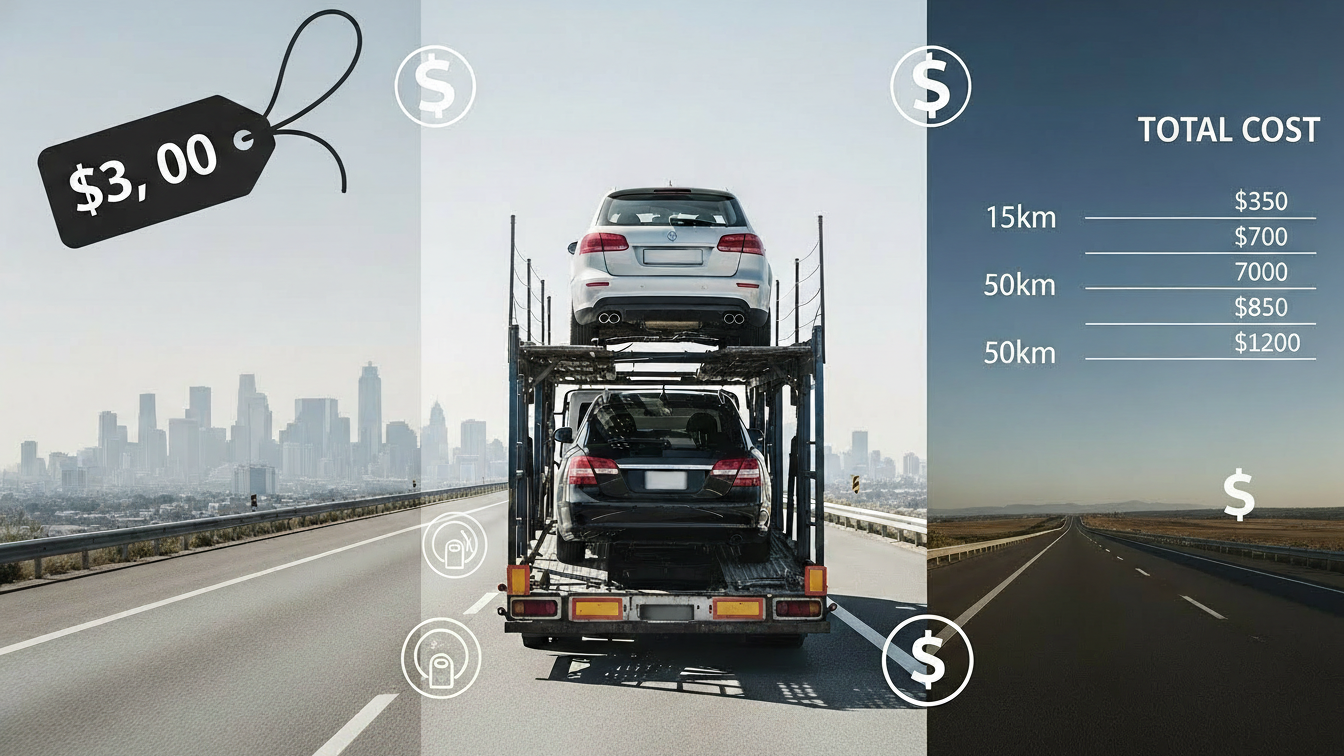
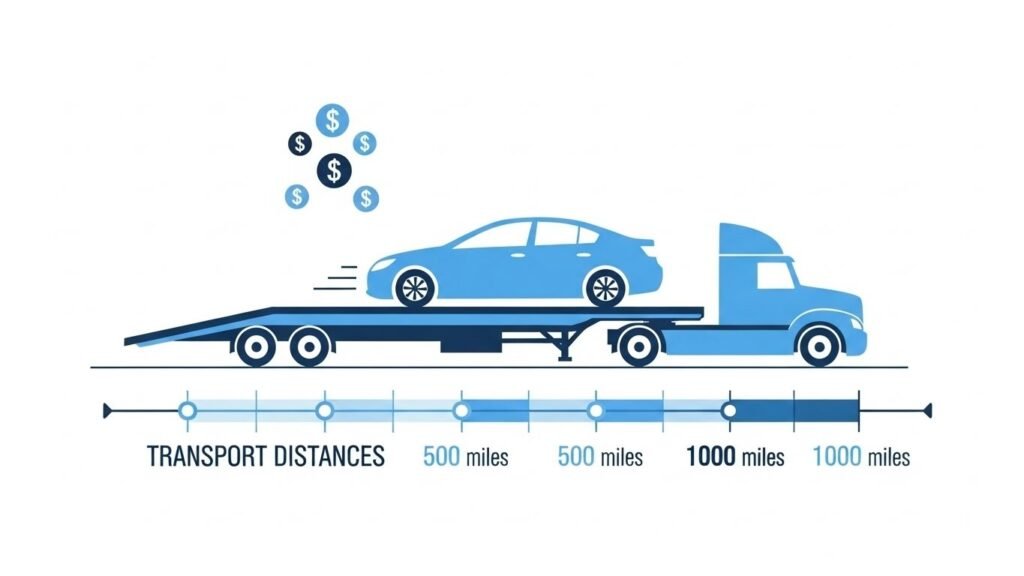
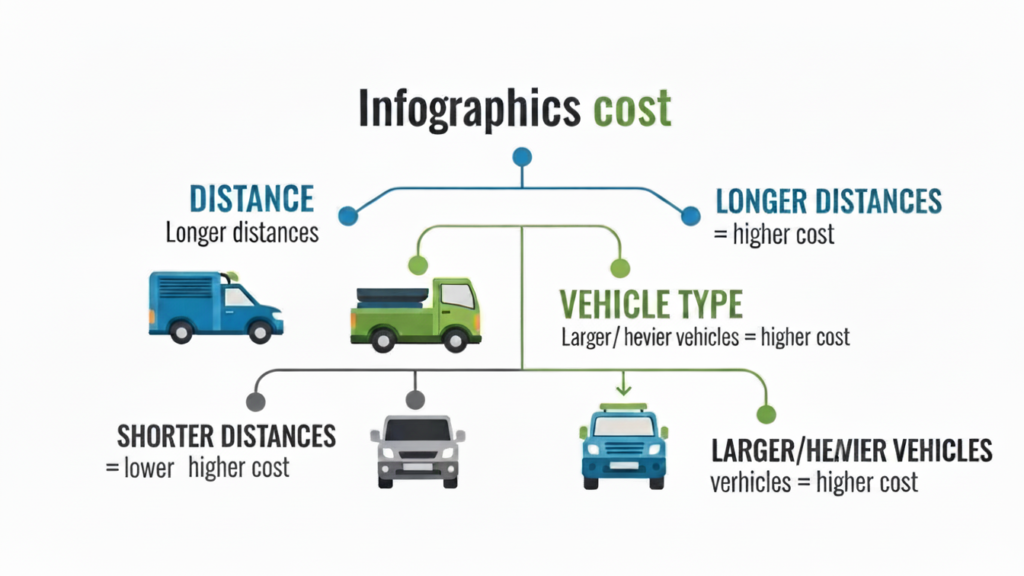
Car shipping costs range from $500 to $1,500 for standard routes. Vehicle transport expenses depend on shipping distance, transport type, vehicle size, and seasonal demand. Interstate car shipping typically costs $0.50 to $1.50 per mile for distances under 500 miles. Long-distance car shipping rates decrease to $0.30 to $0.60 per mile for routes exceeding 1,000 miles.
How Much Do Car Shipping Rates Vary by Distance?
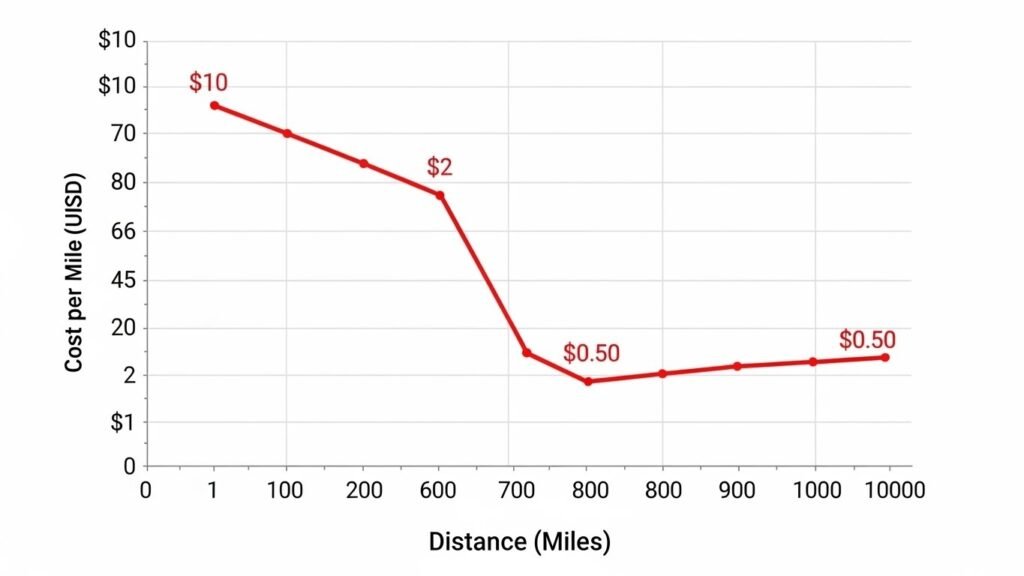
Shipping distance directly impacts auto shipping fees. Short-distance shipments cost more per mile than cross-country transport.
Car Shipping Costs per Mile Analysis
The table below presents actual car transport services pricing based on route length.
| Shipping Distance | Cost per Mile | Total Cost Range | Transport Duration |
| 0-200 miles | $1.50-$2.00 | $300-$400 | 1-2 days |
| 201-500 miles | $0.80-$1.20 | $400-$600 | 2-3 days |
| 501-1,000 miles | $0.60-$0.90 | $600-$900 | 3-5 days |
| 1,001-1,500 miles | $0.50-$0.70 | $750-$1,050 | 5-7 days |
| 1,501-2,500 miles | $0.40-$0.60 | $900-$1,500 | 7-10 days |
| 2,501+ miles | $0.30-$0.50 | $1,200-$2,000 | 10-14 days |
State-to-state car transport follows these pricing patterns consistently. A 2024 Federal Motor Carrier Safety Administration (FMCSA) report confirmed that per-mile rates decline as distance increases due to operational efficiency gains.
Understanding the average cost to ship a car 1000 and cost to ship car 2000 miles
What Are the Different Car Shipping Methods?
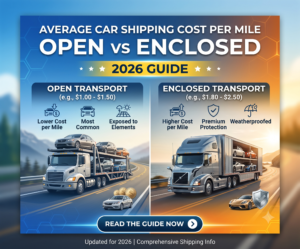
Auto shipping fees vary significantly between transport methods. Vehicle owners choose between open transport and enclosed transport based on budget and vehicle value.
Open Transport vs Enclosed Transport
Open transport costs 30-40% less than enclosed transport. Open carriers expose vehicles to weather and road debris. Enclosed carriers provide complete protection inside covered trailers.
| Transport Type | Cost Range | Best For | Protection Level |
| Open Transport | $500-$1,200 | Standard vehicles, budget shipping | Weather exposure, minimal damage risk |
| Enclosed Transport | $800-$2,000 | Luxury car shipping, classic car shipping | Complete protection, climate control |
| Expedited Open | $700-$1,600 | Time-sensitive standard vehicles | Weather exposure, faster delivery |
| Expedited Enclosed | $1,200-$3,000 | High-value vehicles, urgent delivery | Maximum protection, priority scheduling |
Luxury car shipping requires enclosed transport to prevent damage. Classic car shipping exclusively uses enclosed carriers due to vehicle value and restoration investment.
Understand the cheapest way to transport car across country
How Do Pickup and Delivery Options Affect Price?
Door-to-door shipping costs $100-$200 more than terminal-to-terminal shipping. The pickup location and delivery location significantly influence final auto shipping fees.
Door-to-Door vs Terminal-to-Terminal Comparison
Door-to-door shipping provides convenience at premium pricing. Car transport carriers collect vehicles from specified addresses and deliver to exact destinations. Terminal-to-terminal shipping requires vehicle owners to drop off and collect vehicles at designated facilities.
Shipping to rural areas adds $150-$300 to standard rates. Remote pickup locations require specialized routing and additional fuel consumption. Urban areas offer competitive pricing due to established car transport routes and high carrier availability.
The shipping process for door-to-door service includes:
- Address verification within 24 hours
- Carrier dispatch within 1-5 business days
- Direct pickup at specified location
- Real-time shipment tracking
- Direct delivery to destination address
Terminal facilities exist in major metropolitan areas. Vehicle owners drive to terminals for drop-off and collection. This method reduces car shipping costs by eliminating residential routing requirements.
What Vehicle Factors Impact Shipping Costs?
Vehicle specifications directly affect car shipping rates. Larger vehicles require more trailer space and increase carrier weight.
Vehicle Size and Weight Pricing
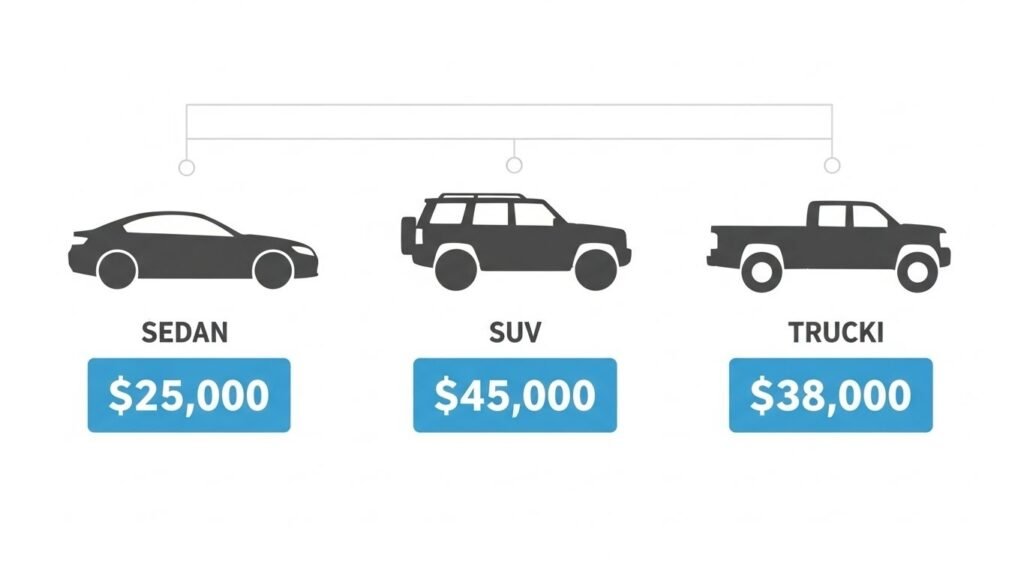
SUV car transport costs 20-30% more than sedan shipping. Car transport carriers calculate pricing based on vehicle dimensions and weight. Standard sedans measure 15-16 feet in length. SUVs and trucks extend 18-20 feet, consuming additional carrier space.
| Vehicle Type | Average Dimensions | Weight Range | Cost Multiplier |
| Compact Car | 14-15 ft × 5.5-6 ft | 2,500-3,000 lbs | 1.0x (baseline) |
| Mid-Size Sedan | 15-16 ft × 6-6.5 ft | 3,000-3,500 lbs | 1.1x |
| Full-Size Sedan | 16-17 ft × 6.5-7 ft | 3,500-4,000 lbs | 1.2x |
| SUV/Crossover | 16-18 ft × 6.5-7 ft | 4,000-5,500 lbs | 1.3x |
| Pickup Truck | 18-20 ft × 6.5-7 ft | 4,500-6,000 lbs | 1.4x |
| Large SUV/Van | 18-21 ft × 7-7.5 ft | 5,500-7,000 lbs | 1.5x |
Vehicle condition for shipping affects pricing. Non-running car shipping adds $150-$300 to standard rates. Inoperable vehicles require winching services for loading and unloading. Car transport carriers charge additional fees for specialized equipment usage.
How Does Vehicle Insurance Coverage Work?
Vehicle shipping insurance provides protection during transport. Auto transporter companies carry cargo insurance ranging from $100,000 to $1,000,000 per load. Department of Transportation (DOT) regulations mandate minimum insurance coverage for licensed carriers.
Insurance Coverage Types
Car shipping company insurance includes:
- Basic carrier liability ($100,000 minimum coverage)
- Comprehensive cargo insurance ($250,000-$1,000,000 coverage)
- Gap insurance for high-value vehicles
- Damage claim processing within 30 days
U.S. car transport licenses require valid insurance documentation. Vehicle owners verify car shipping company reputation through FMCSA database searches. Legitimate carriers display DOT numbers and maintain active insurance policies.
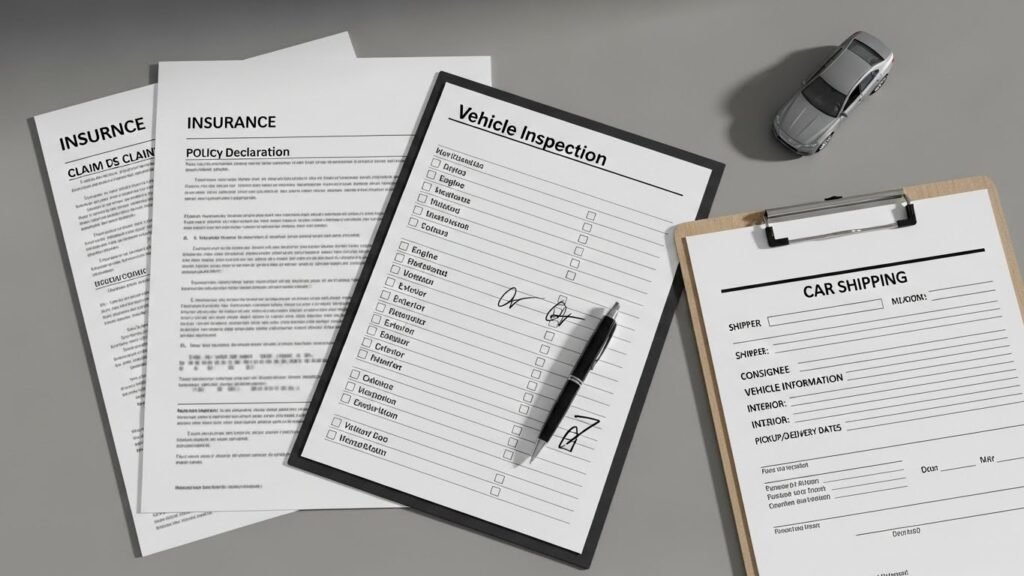
The shipping contract specifies insurance coverage amounts and claim procedures. Vehicle owners document existing damage through photographs before loading. Post-delivery inspections occur immediately upon arrival.
When Do Seasonal Price Fluctuations Occur?
Peak shipping seasons increase rates by 20-40%. Seasonal price fluctuations follow predictable patterns based on demand cycles and weather conditions.
Annual Pricing Patterns
| Season | Demand Level | Price Impact | Contributing Factors |
| January-March | Moderate | Baseline to +10% | Snowbird migrations, college moves |
| April-May | High | +15-25% | Spring relocations, snowbird returns |
| June-August | Peak | +25-40% | Summer moves, student relocations |
| September | High | +20-30% | College semester starts, business moves |
| October-December | Low-Moderate | Baseline to -10% | Holiday slowdown, weather concerns |
Peak shipping seasons occur during summer months. College students relocate for summer breaks and fall semesters. Families schedule moves during school vacations. Carrier availability decreases during high-demand periods.
Winter months offer lower rates in northern states. Snowbird populations migrate between northern and southern states. Interstate car shipping from cold climates to warm destinations increases from November through February.
Shipping deadlines impact pricing. Expedited shipping costs 40-60% more than standard scheduling. Vehicle shipping time extends during peak seasons due to carrier capacity constraints.
What Additional Fees Apply to Car Shipping?
Auto shipping fees include base transport costs plus supplementary charges. Hidden expenses affect total cost of shipping a car across the country.
Additional Cost Factors
Fuel surcharge adds 3-8% to base rates. Carriers adjust pricing based on diesel fuel prices. National average diesel costs directly impact car transport services operational expenses.
Additional fees include:
- Expedited service premium ($200-$500)
- Vehicle storage fees ($25-$50 per day)
- Remote area surcharge ($100-$300)
- Oversized vehicle fee ($100-$200)
- Top-load placement ($50-$150)
- Enclosed transport upgrade ($300-$800)
- Rush pickup service ($100-$300)
Shipping delays generate storage charges at terminals. Car shipping scheduling conflicts require flexible timing. Vehicle owners pay daily storage fees exceeding 48 hours after carrier arrival.
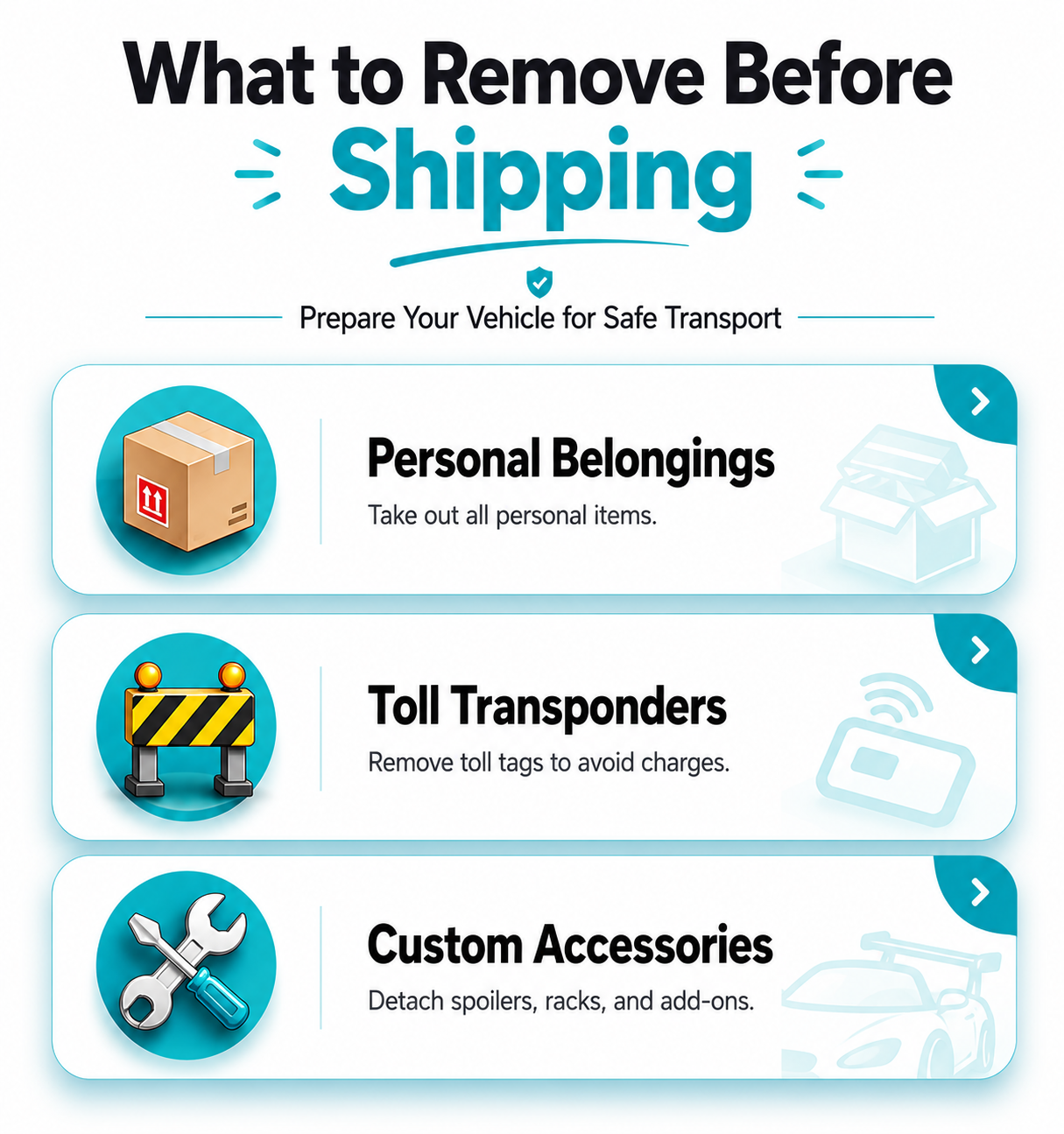
Automobile shipping regulations prohibit personal item transport inside vehicles. Carriers allow trunk storage up to 100 lbs without additional fees. Exceeding weight limits results in $50-$100 surcharges or item removal requirements.
How Do Car Shipping Companies Calculate Quotes?
Car shipping quotes incorporate 8 primary variables. Auto shipping companies analyze route data, vehicle specifications, and service requirements to generate accurate pricing.
Quote Calculation Components
Car shipping brokers collect information including:
- Origin zip code and destination zip code
- Vehicle year, make, and model
- Operational status (running or non-running)
- Preferred transport type (open or enclosed)
- Desired shipping schedule
- Special requirements (winching, oversized, modifications)
Car shipping company reputation influences pricing accuracy. Established carriers provide binding quotes with price guarantees. Less reputable companies offer low initial estimates then increase prices before pickup.
The shipping process begins with quote requests from 3-5 carriers. Vehicle owners compare car shipping rates based on identical service parameters. Price variations exceeding 30% indicate potential service quality differences.
Customer testimonials reveal pricing transparency and service reliability. Vehicle owners research car shipping reviews on independent platforms. FMCSA complaint databases track carrier performance and dispute resolution.
What Are the Most Common Shipping Routes?
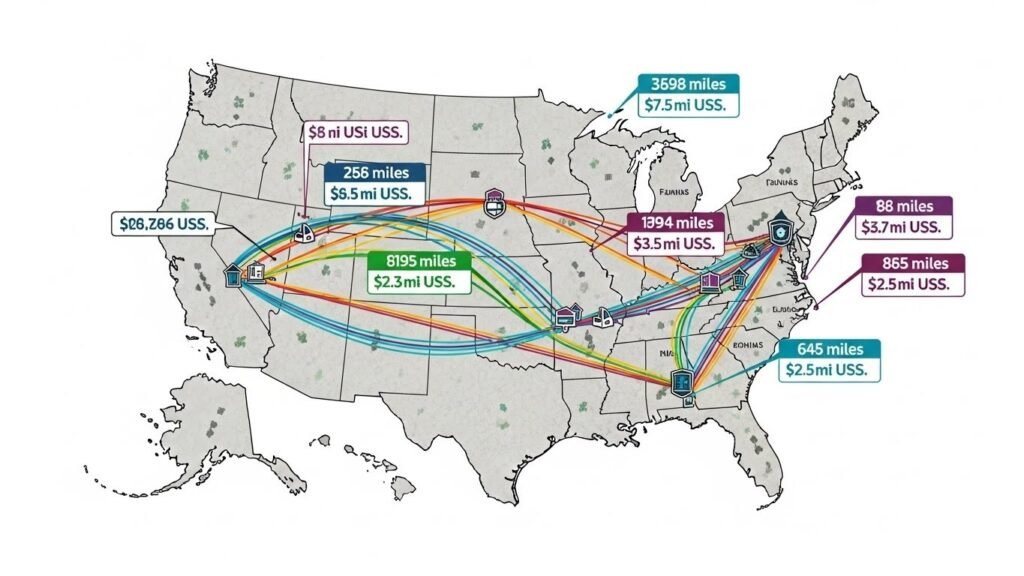
Car transport routes between major metropolitan areas offer lowest per-mile rates. High-volume corridors maintain consistent carrier availability and competitive pricing.
Popular Interstate Routes
| Route | Distance | Average Cost | Transit Time |
| Los Angeles, CA to New York, NY | 2,790 miles | $1,200-$1,600 | 7-10 days |
| Miami, FL to Seattle, WA | 3,300 miles | $1,400-$1,900 | 10-14 days |
| Chicago, IL to Phoenix, AZ | 1,750 miles | $800-$1,200 | 5-7 days |
| Boston, MA to San Francisco, CA | 3,100 miles | $1,300-$1,700 | 8-12 days |
| Houston, TX to Denver, CO | 1,000 miles | $600-$900 | 4-6 days |
| Atlanta, GA to Las Vegas, NV | 2,000 miles | $900-$1,300 | 6-8 days |
Car transport services near me searches reveal local carrier availability. Regional carriers specialize in specific geographic areas. National auto transporter networks provide coast-to-coast coverage.
Long-distance car shipping between unpopular routes costs 15-25% more than standard corridors. Limited carrier availability on secondary routes extends vehicle shipping time. Vehicle owners experience shipping delays ranging from 3-7 additional days.
How Does Fleet and Bulk Shipping Work?
Fleet shipping reduces per-vehicle costs by 15-30%. Commercial operations transport multiple vehicles simultaneously through bulk car shipping arrangements.
Volume Discount Structure
| Number of Vehicles | Discount Percentage | Average Per-Vehicle Cost |
| 1 vehicle | 0% | $1,000 (baseline) |
| 2-3 vehicles | 10-15% | $850-$900 |
| 4-6 vehicles | 20-25% | $750-$800 |
| 7-10 vehicles | 25-30% | $700-$750 |
| 11+ vehicles | 30-35% | $650-$700 |
Shipping multiple vehicles requires coordinated logistics. Car shipping company insurance covers entire fleet loads under commercial policies. Dealerships and rental agencies utilize fleet shipping for inventory transfers.
Bulk shipping contracts specify pickup schedules and delivery windows. Vehicle loading occurs at centralized facilities. Dedicated car transport carriers handle large shipments exclusively.
Car shipping discounts apply to multi-vehicle shipments on identical routes. Same-origin and same-destination requirements maximize savings. Split deliveries eliminate bulk pricing advantages.
What Documentation Is Required for Car Shipping?
The shipping contract establishes legal obligations between vehicle owner and car shipping company. Required documentation protects both parties during transport.
Essential Shipping Documents
Vehicle owners provide 5 critical documents. Documentation requirements ensure legal compliance and damage liability protection.
Required paperwork includes:
- Valid vehicle registration or title
- Government-issued photo identification
- Vehicle condition report with photographs
- Signed bill of lading
- Proof of insurance coverage
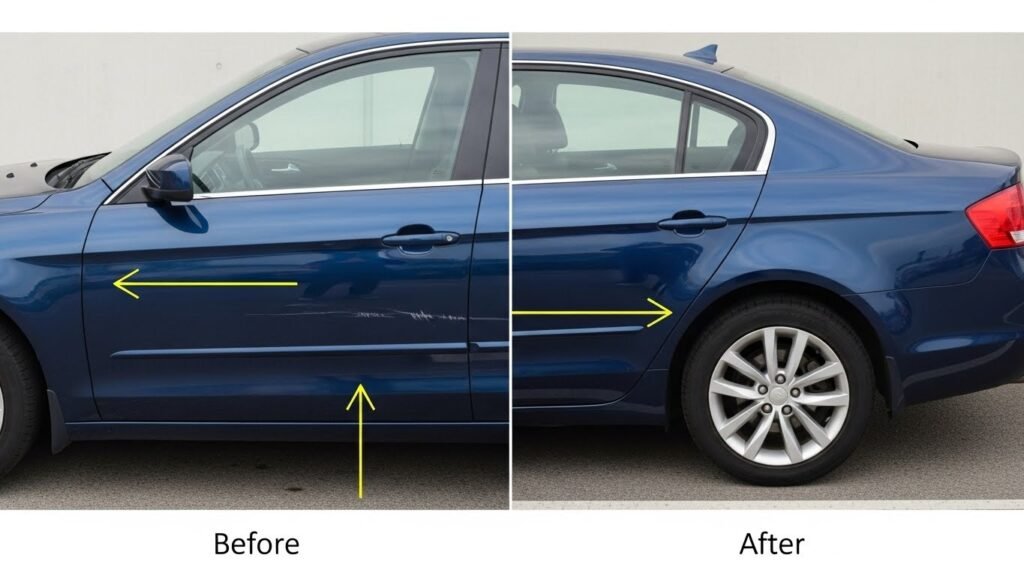
The bill of lading records vehicle condition at pickup and delivery. Both parties sign inspection reports noting existing damage. Photographs document scratches, dents, and cosmetic issues before vehicle loading.
Car transport carrier licenses display DOT numbers on company websites and vehicles. Federal Motor Carrier Safety Administration databases verify carrier operating authority. U.S. car transport licenses indicate legal compliance and insurance maintenance.
Shipping process transparency includes contract review before signing. Vehicle owners read terms regarding damage claims, delivery windows, and payment schedules. Hidden clauses increase costs or limit carrier liability.
How Does Shipment Tracking Work?
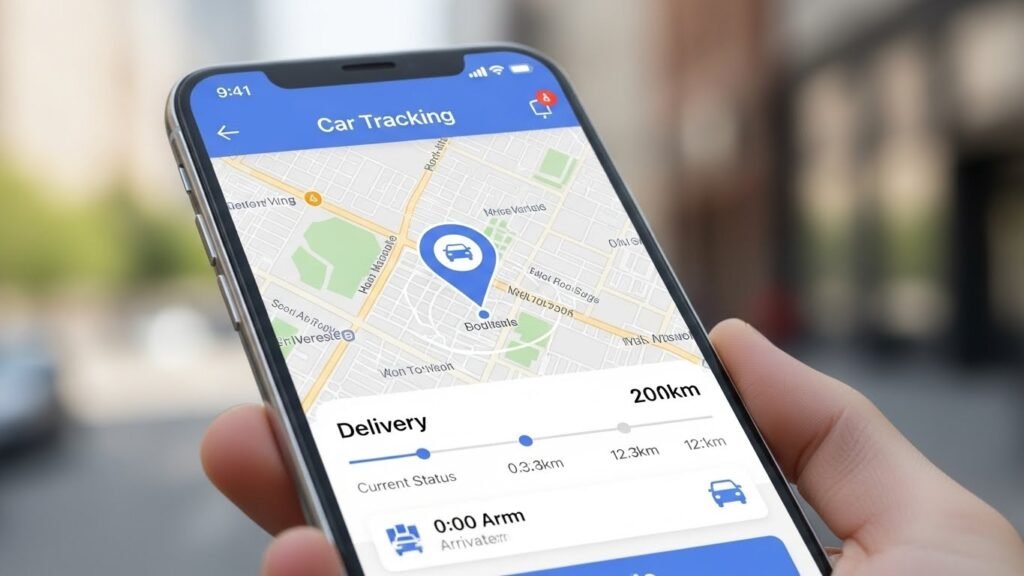
Shipment tracking provides real-time vehicle location updates. Modern car transport services offer GPS monitoring through mobile applications and web portals.
Tracking Technology Features
Advanced tracking systems include:
- GPS coordinate updates every 2-4 hours
- Estimated delivery time calculations
- Carrier contact information
- Photo documentation at pickup and delivery
- Automated notification alerts
Vehicle shipping time accuracy improves through digital tracking. Vehicle owners monitor transport progress without carrier communication. Shipping delays become immediately visible through system updates.
Terminal-to-terminal shipping requires manual status updates at facility checkpoints. Door-to-door shipping provides continuous GPS tracking from pickup to delivery. Technology integration varies between carriers based on fleet modernization.
Shipping schedule adjustments occur due to weather conditions and traffic delays. Carriers notify vehicle owners 24 hours before delivery. Flexible delivery windows accommodate unexpected timing changes.
How AI and GPS Tracking Can Help Car Owners in the US
What Are the Best Practices for Reducing Shipping Costs?
Strategic planning reduces car shipping costs by 20-35%. Informed decisions regarding timing, transport type, and carrier selection maximize value.
Cost Reduction Strategies
Vehicle owners implement 7 cost-saving techniques:
- Book transport during off-peak seasons (October-March)
- Choose terminal-to-terminal shipping over door-to-door service
- Select open transport for standard vehicles
- Obtain quotes from 5-7 different carriers
- Schedule flexible pickup and delivery windows
- Remove personal items reducing vehicle weight
- Combine shipments with other vehicle owners
Car shipping scheduling flexibility reduces rates significantly. Carriers offer lower prices for standard delivery timeframes. Expedited shipping eliminates cost-saving opportunities.
Vehicle preparation minimizes additional fees. Owners ensure vehicles run properly avoiding non-running car shipping surcharges. Tire inflation and battery charging prevent loading complications.
Car transport services near me searches identify local carriers reducing deadhead miles. Regional companies offer competitive pricing on familiar routes. National carriers charge premiums for less-common destinations.
How Do Reviews Impact Carrier Selection?
Car shipping reviews reveal service quality and pricing accuracy. Customer testimonials provide insights into carrier reliability and problem resolution.
Review Analysis Factors
Vehicle owners evaluate 6 critical review components:
- Quote accuracy versus final billing
- Vehicle shipping time adherence
- Damage claims and resolution speed
- Communication responsiveness
- Driver professionalism
- Overall customer satisfaction ratings
Car shipping company reputation develops through consistent service delivery. Carriers with 4.5+ star ratings demonstrate operational excellence. Companies with numerous complaints face FMCSA enforcement actions.
Independent review platforms aggregate customer feedback. Better Business Bureau (BBB) ratings indicate dispute resolution effectiveness. Transport Reviews and uShip provide carrier performance data.
Negative reviews highlight red flags including:
- Significant price increases after booking
- Poor communication during transport
- Unresolved damage claims
- Extended shipping delays without notification
- Unprofessional driver behavior
What Happens If Damage Occurs During Shipping?
Vehicle damage claims follow standardized procedures. Car shipping company insurance covers transport-related damage exceeding normal wear.
Damage Claim Process
Vehicle owners file claims within 24-48 hours of delivery. Immediate damage documentation ensures claim validity.
The claim process includes 5 steps:
- Photograph damage immediately upon delivery
- Note damage on delivery receipt before signing
- Contact carrier within 24 hours
- Submit written claim with photographic evidence
- Await carrier insurance adjuster inspection
Vehicle shipping insurance coverage varies between carriers. Basic liability covers $100,000 per incident. Comprehensive policies extend to $1,000,000 for total loss scenarios.
Claim resolution timeframes range from 30-90 days. Simple cosmetic damage settles within 30 days. Mechanical damage requires professional inspections extending resolution periods.
Carriers deny claims lacking proper documentation. Pre-shipping photographs establish baseline vehicle condition. Delivery inspection reports prove transport-related damage occurrence.
Conclusion: Understanding Total Car Shipping Expenses
Car shipping costs depend on 12 interconnected variables. Informed vehicle owners save 25-40% through strategic planning and carrier selection.
The cost of shipping a car across the country ranges from $800-$2,000 for standard vehicles. Luxury car shipping and enclosed transport increase expenses to $1,500-$3,000. SUV car transport and oversized vehicles add 20-30% to baseline rates.
Shipping a car across the country requires comparing multiple car shipping quotes. Vehicle owners research car shipping company reputation through customer testimonials and federal databases. DOT verification ensures carrier legitimacy and insurance compliance.
Auto transport services provide reliable vehicle relocation solutions. Professional car transport carriers maintain 99%+ damage-free delivery rates. Vehicle shipping insurance protects against transport-related incidents.
Strategic timing during off-peak seasons reduces rates significantly. Flexible car shipping scheduling eliminates expedited service premiums. Terminal-to-terminal shipping offers budget-conscious alternatives to door-to-door delivery.
Vehicle owners prioritize carrier reputation over lowest pricing. Established auto transporter companies deliver consistent service quality. Transparent pricing and binding quotes prevent unexpected cost increases.
What Does Car Shipping Cost?
Car shipping costs range from $500 to $1,500 for standard routes. Vehicle transport expenses depend on shipping distance, transport type, vehicle size, and seasonal demand. Interstate car shipping typically costs $0.50 to $1.50 per mile for distances under 500 miles. Long-distance car shipping rates decrease to $0.30 to $0.60 per mile for routes exceeding 1,000 miles.
How Much Do Car Shipping Rates Vary by Distance?
Shipping distance directly impacts auto shipping fees. Short-distance shipments cost more per mile than cross-country transport.
Car Shipping Costs per Mile Analysis
The table below presents actual car transport services pricing based on route length.
| Shipping Distance | Cost per Mile | Total Cost Range | Transport Duration |
| 0-200 miles | $1.50-$2.00 | $300-$400 | 1-2 days |
| 201-500 miles | $0.80-$1.20 | $400-$600 | 2-3 days |
| 501-1,000 miles | $0.60-$0.90 | $600-$900 | 3-5 days |
| 1,001-1,500 miles | $0.50-$0.70 | $750-$1,050 | 5-7 days |
| 1,501-2,500 miles | $0.40-$0.60 | $900-$1,500 | 7-10 days |
| 2,501+ miles | $0.30-$0.50 | $1,200-$2,000 | 10-14 days |
State-to-state car transport follows these pricing patterns consistently. A 2024 Federal Motor Carrier Safety Administration (FMCSA) report confirmed that per-mile rates decline as distance increases due to operational efficiency gains.
Understanding the average cost to ship a car 1000 and cost to ship car 2000 miles
What Are the Different Car Shipping Methods?
Auto shipping fees vary significantly between transport methods. Vehicle owners choose between open transport and enclosed transport based on budget and vehicle value.
Open Transport vs Enclosed Transport
Open transport costs 30-40% less than enclosed transport. Open carriers expose vehicles to weather and road debris. Enclosed carriers provide complete protection inside covered trailers.
| Transport Type | Cost Range | Best For | Protection Level |
| Open Transport | $500-$1,200 | Standard vehicles, budget shipping | Weather exposure, minimal damage risk |
| Enclosed Transport | $800-$2,000 | Luxury car shipping, classic car shipping | Complete protection, climate control |
| Expedited Open | $700-$1,600 | Time-sensitive standard vehicles | Weather exposure, faster delivery |
| Expedited Enclosed | $1,200-$3,000 | High-value vehicles, urgent delivery | Maximum protection, priority scheduling |
Luxury car shipping requires enclosed transport to prevent damage. Classic car shipping exclusively uses enclosed carriers due to vehicle value and restoration investment.
Understand the cheapest way to transport car across country
How Do Pickup and Delivery Options Affect Price?
Door-to-door shipping costs $100-$200 more than terminal-to-terminal shipping. The pickup location and delivery location significantly influence final auto shipping fees.
Door-to-Door vs Terminal-to-Terminal Comparison
Door-to-door shipping provides convenience at premium pricing. Car transport carriers collect vehicles from specified addresses and deliver to exact destinations. Terminal-to-terminal shipping requires vehicle owners to drop off and collect vehicles at designated facilities.
Shipping to rural areas adds $150-$300 to standard rates. Remote pickup locations require specialized routing and additional fuel consumption. Urban areas offer competitive pricing due to established car transport routes and high carrier availability.
The shipping process for door-to-door service includes:
- Address verification within 24 hours
- Carrier dispatch within 1-5 business days
- Direct pickup at specified location
- Real-time shipment tracking
- Direct delivery to destination address
Terminal facilities exist in major metropolitan areas. Vehicle owners drive to terminals for drop-off and collection. This method reduces car shipping costs by eliminating residential routing requirements.
What Vehicle Factors Impact Shipping Costs?
Vehicle specifications directly affect car shipping rates. Larger vehicles require more trailer space and increase carrier weight.
Vehicle Size and Weight Pricing
SUV car transport costs 20-30% more than sedan shipping. Car transport carriers calculate pricing based on vehicle dimensions and weight. Standard sedans measure 15-16 feet in length. SUVs and trucks extend 18-20 feet, consuming additional carrier space.
| Vehicle Type | Average Dimensions | Weight Range | Cost Multiplier |
| Compact Car | 14-15 ft × 5.5-6 ft | 2,500-3,000 lbs | 1.0x (baseline) |
| Mid-Size Sedan | 15-16 ft × 6-6.5 ft | 3,000-3,500 lbs | 1.1x |
| Full-Size Sedan | 16-17 ft × 6.5-7 ft | 3,500-4,000 lbs | 1.2x |
| SUV/Crossover | 16-18 ft × 6.5-7 ft | 4,000-5,500 lbs | 1.3x |
| Pickup Truck | 18-20 ft × 6.5-7 ft | 4,500-6,000 lbs | 1.4x |
| Large SUV/Van | 18-21 ft × 7-7.5 ft | 5,500-7,000 lbs | 1.5x |
Vehicle condition for shipping affects pricing. Non-running car shipping adds $150-$300 to standard rates. Inoperable vehicles require winching services for loading and unloading. Car transport carriers charge additional fees for specialized equipment usage.
How Does Vehicle Insurance Coverage Work?
Vehicle shipping insurance provides protection during transport. Auto transporter companies carry cargo insurance ranging from $100,000 to $1,000,000 per load. Department of Transportation (DOT) regulations mandate minimum insurance coverage for licensed carriers.
Insurance Coverage Types
Car shipping company insurance includes:
- Basic carrier liability ($100,000 minimum coverage)
- Comprehensive cargo insurance ($250,000-$1,000,000 coverage)
- Gap insurance for high-value vehicles
- Damage claim processing within 30 days
U.S. car transport licenses require valid insurance documentation. Vehicle owners verify car shipping company reputation through FMCSA database searches. Legitimate carriers display DOT numbers and maintain active insurance policies.
The shipping contract specifies insurance coverage amounts and claim procedures. Vehicle owners document existing damage through photographs before loading. Post-delivery inspections occur immediately upon arrival.
When Do Seasonal Price Fluctuations Occur?
Peak shipping seasons increase rates by 20-40%. Seasonal price fluctuations follow predictable patterns based on demand cycles and weather conditions.
Annual Pricing Patterns
| Season | Demand Level | Price Impact | Contributing Factors |
| January-March | Moderate | Baseline to +10% | Snowbird migrations, college moves |
| April-May | High | +15-25% | Spring relocations, snowbird returns |
| June-August | Peak | +25-40% | Summer moves, student relocations |
| September | High | +20-30% | College semester starts, business moves |
| October-December | Low-Moderate | Baseline to -10% | Holiday slowdown, weather concerns |
Peak shipping seasons occur during summer months. College students relocate for summer breaks and fall semesters. Families schedule moves during school vacations. Carrier availability decreases during high-demand periods.
Winter months offer lower rates in northern states. Snowbird populations migrate between northern and southern states. Interstate car shipping from cold climates to warm destinations increases from November through February.
Shipping deadlines impact pricing. Expedited shipping costs 40-60% more than standard scheduling. Vehicle shipping time extends during peak seasons due to carrier capacity constraints.
What Additional Fees Apply to Car Shipping?
Auto shipping fees include base transport costs plus supplementary charges. Hidden expenses affect total cost of shipping a car across the country.
Additional Cost Factors
Fuel surcharge adds 3-8% to base rates. Carriers adjust pricing based on diesel fuel prices. National average diesel costs directly impact car transport services operational expenses.
Additional fees include:
- Expedited service premium ($200-$500)
- Vehicle storage fees ($25-$50 per day)
- Remote area surcharge ($100-$300)
- Oversized vehicle fee ($100-$200)
- Top-load placement ($50-$150)
- Enclosed transport upgrade ($300-$800)
- Rush pickup service ($100-$300)
Shipping delays generate storage charges at terminals. Car shipping scheduling conflicts require flexible timing. Vehicle owners pay daily storage fees exceeding 48 hours after carrier arrival.
Automobile shipping regulations prohibit personal item transport inside vehicles. Carriers allow trunk storage up to 100 lbs without additional fees. Exceeding weight limits results in $50-$100 surcharges or item removal requirements.
How Do Car Shipping Companies Calculate Quotes?
Car shipping quotes incorporate 8 primary variables. Auto shipping companies analyze route data, vehicle specifications, and service requirements to generate accurate pricing.
Quote Calculation Components
Car shipping brokers collect information including:
- Origin zip code and destination zip code
- Vehicle year, make, and model
- Operational status (running or non-running)
- Preferred transport type (open or enclosed)
- Desired shipping schedule
- Special requirements (winching, oversized, modifications)
Car shipping company reputation influences pricing accuracy. Established carriers provide binding quotes with price guarantees. Less reputable companies offer low initial estimates then increase prices before pickup.
The shipping process begins with quote requests from 3-5 carriers. Vehicle owners compare car shipping rates based on identical service parameters. Price variations exceeding 30% indicate potential service quality differences.
Customer testimonials reveal pricing transparency and service reliability. Vehicle owners research car shipping reviews on independent platforms. FMCSA complaint databases track carrier performance and dispute resolution.
What Are the Most Common Shipping Routes?
Car transport routes between major metropolitan areas offer lowest per-mile rates. High-volume corridors maintain consistent carrier availability and competitive pricing.
Popular Interstate Routes
| Route | Distance | Average Cost | Transit Time |
| Los Angeles, CA to New York, NY | 2,790 miles | $1,200-$1,600 | 7-10 days |
| Miami, FL to Seattle, WA | 3,300 miles | $1,400-$1,900 | 10-14 days |
| Chicago, IL to Phoenix, AZ | 1,750 miles | $800-$1,200 | 5-7 days |
| Boston, MA to San Francisco, CA | 3,100 miles | $1,300-$1,700 | 8-12 days |
| Houston, TX to Denver, CO | 1,000 miles | $600-$900 | 4-6 days |
| Atlanta, GA to Las Vegas, NV | 2,000 miles | $900-$1,300 | 6-8 days |
Car transport services near me searches reveal local carrier availability. Regional carriers specialize in specific geographic areas. National auto transporter networks provide coast-to-coast coverage.
Long-distance car shipping between unpopular routes costs 15-25% more than standard corridors. Limited carrier availability on secondary routes extends vehicle shipping time. Vehicle owners experience shipping delays ranging from 3-7 additional days.
How Does Fleet and Bulk Shipping Work?
Fleet shipping reduces per-vehicle costs by 15-30%. Commercial operations transport multiple vehicles simultaneously through bulk car shipping arrangements.
Volume Discount Structure
| Number of Vehicles | Discount Percentage | Average Per-Vehicle Cost |
| 1 vehicle | 0% | $1,000 (baseline) |
| 2-3 vehicles | 10-15% | $850-$900 |
| 4-6 vehicles | 20-25% | $750-$800 |
| 7-10 vehicles | 25-30% | $700-$750 |
| 11+ vehicles | 30-35% | $650-$700 |
Shipping multiple vehicles requires coordinated logistics. Car shipping company insurance covers entire fleet loads under commercial policies. Dealerships and rental agencies utilize fleet shipping for inventory transfers.
Bulk shipping contracts specify pickup schedules and delivery windows. Vehicle loading occurs at centralized facilities. Dedicated car transport carriers handle large shipments exclusively.
Car shipping discounts apply to multi-vehicle shipments on identical routes. Same-origin and same-destination requirements maximize savings. Split deliveries eliminate bulk pricing advantages.
What Documentation Is Required for Car Shipping?
The shipping contract establishes legal obligations between vehicle owner and car shipping company. Required documentation protects both parties during transport.
Essential Shipping Documents
Vehicle owners provide 5 critical documents. Documentation requirements ensure legal compliance and damage liability protection.
Required paperwork includes:
- Valid vehicle registration or title
- Government-issued photo identification
- Vehicle condition report with photographs
- Signed bill of lading
- Proof of insurance coverage
The bill of lading records vehicle condition at pickup and delivery. Both parties sign inspection reports noting existing damage. Photographs document scratches, dents, and cosmetic issues before vehicle loading.
Car transport carrier licenses display DOT numbers on company websites and vehicles. Federal Motor Carrier Safety Administration databases verify carrier operating authority. U.S. car transport licenses indicate legal compliance and insurance maintenance.
Shipping process transparency includes contract review before signing. Vehicle owners read terms regarding damage claims, delivery windows, and payment schedules. Hidden clauses increase costs or limit carrier liability.
How Does Shipment Tracking Work?
Shipment tracking provides real-time vehicle location updates. Modern car transport services offer GPS monitoring through mobile applications and web portals.
Tracking Technology Features
Advanced tracking systems include:
- GPS coordinate updates every 2-4 hours
- Estimated delivery time calculations
- Carrier contact information
- Photo documentation at pickup and delivery
- Automated notification alerts
Vehicle shipping time accuracy improves through digital tracking. Vehicle owners monitor transport progress without carrier communication. Shipping delays become immediately visible through system updates.
Terminal-to-terminal shipping requires manual status updates at facility checkpoints. Door-to-door shipping provides continuous GPS tracking from pickup to delivery. Technology integration varies between carriers based on fleet modernization.
Shipping schedule adjustments occur due to weather conditions and traffic delays. Carriers notify vehicle owners 24 hours before delivery. Flexible delivery windows accommodate unexpected timing changes.
How AI and GPS Tracking Can Help Car Owners in the US
What Are the Best Practices for Reducing Shipping Costs?
Strategic planning reduces car shipping costs by 20-35%. Informed decisions regarding timing, transport type, and carrier selection maximize value.
Cost Reduction Strategies
Vehicle owners implement 7 cost-saving techniques:
- Book transport during off-peak seasons (October-March)
- Choose terminal-to-terminal shipping over door-to-door service
- Select open transport for standard vehicles
- Obtain quotes from 5-7 different carriers
- Schedule flexible pickup and delivery windows
- Remove personal items reducing vehicle weight
- Combine shipments with other vehicle owners
Car shipping scheduling flexibility reduces rates significantly. Carriers offer lower prices for standard delivery timeframes. Expedited shipping eliminates cost-saving opportunities.
Vehicle preparation minimizes additional fees. Owners ensure vehicles run properly avoiding non-running car shipping surcharges. Tire inflation and battery charging prevent loading complications.
Car transport services near me searches identify local carriers reducing deadhead miles. Regional companies offer competitive pricing on familiar routes. National carriers charge premiums for less-common destinations.
How Do Reviews Impact Carrier Selection?
Car shipping reviews reveal service quality and pricing accuracy. Customer testimonials provide insights into carrier reliability and problem resolution.
Review Analysis Factors
Vehicle owners evaluate 6 critical review components:
- Quote accuracy versus final billing
- Vehicle shipping time adherence
- Damage claims and resolution speed
- Communication responsiveness
- Driver professionalism
- Overall customer satisfaction ratings
Car shipping company reputation develops through consistent service delivery. Carriers with 4.5+ star ratings demonstrate operational excellence. Companies with numerous complaints face FMCSA enforcement actions.
Independent review platforms aggregate customer feedback. Better Business Bureau (BBB) ratings indicate dispute resolution effectiveness. Transport Reviews and uShip provide carrier performance data.
Negative reviews highlight red flags including:
- Significant price increases after booking
- Poor communication during transport
- Unresolved damage claims
- Extended shipping delays without notification
- Unprofessional driver behavior
What Happens If Damage Occurs During Shipping?
Vehicle damage claims follow standardized procedures. Car shipping company insurance covers transport-related damage exceeding normal wear.
Damage Claim Process
Vehicle owners file claims within 24-48 hours of delivery. Immediate damage documentation ensures claim validity.
The claim process includes 5 steps:
- Photograph damage immediately upon delivery
- Note damage on delivery receipt before signing
- Contact carrier within 24 hours
- Submit written claim with photographic evidence
- Await carrier insurance adjuster inspection
Vehicle shipping insurance coverage varies between carriers. Basic liability covers $100,000 per incident. Comprehensive policies extend to $1,000,000 for total loss scenarios.
Claim resolution timeframes range from 30-90 days. Simple cosmetic damage settles within 30 days. Mechanical damage requires professional inspections extending resolution periods.
Carriers deny claims lacking proper documentation. Pre-shipping photographs establish baseline vehicle condition. Delivery inspection reports prove transport-related damage occurrence.
Conclusion: Understanding Total Car Shipping Expenses
Car shipping costs depend on 12 interconnected variables. Informed vehicle owners save 25-40% through strategic planning and carrier selection.
The cost of shipping a car across the country ranges from $800-$2,000 for standard vehicles. Luxury car shipping and enclosed transport increase expenses to $1,500-$3,000. SUV car transport and oversized vehicles add 20-30% to baseline rates.
Shipping a car across the country requires comparing multiple car shipping quotes. Vehicle owners research car shipping company reputation through customer testimonials and federal databases. DOT verification ensures carrier legitimacy and insurance compliance.
Auto transport services provide reliable vehicle relocation solutions. Professional car transport carriers maintain 99%+ damage-free delivery rates. Vehicle shipping insurance protects against transport-related incidents.
Strategic timing during off-peak seasons reduces rates significantly. Flexible car shipping scheduling eliminates expedited service premiums. Terminal-to-terminal shipping offers budget-conscious alternatives to door-to-door delivery.
Vehicle owners prioritize carrier reputation over lowest pricing. Established auto transporter companies deliver consistent service quality. Transparent pricing and binding quotes prevent unexpected cost increases.