What is AI-Powered GPS Tracking for Vehicles?
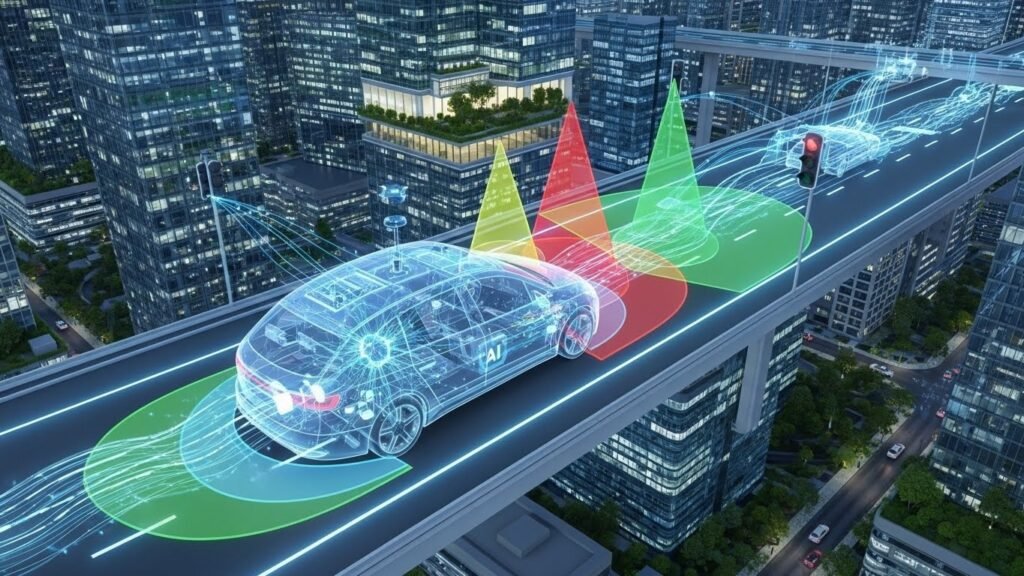
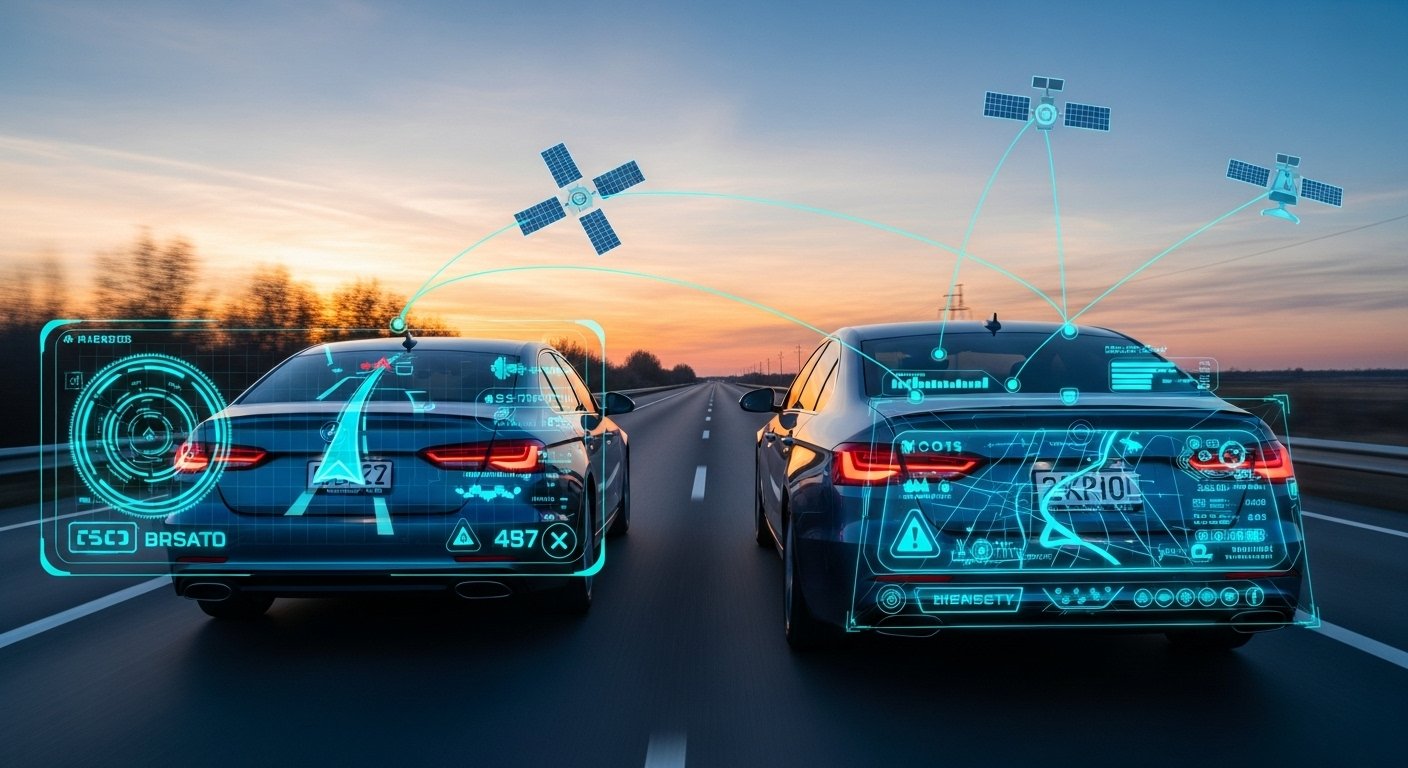
AI-powered GPS tracking combines machine learning algorithms with Global Positioning System technology to monitor, analyze, and optimize vehicle performance in real-time. This integration creates smart vehicle technology that transforms traditional cars into connected cars capable of intelligent decision-making.
Artificial Intelligence processes data from multiple sensors simultaneously. GPS tracking provides precise location coordinates with accuracy ranging from 3 to 10 meters. Machine learning algorithms analyze driving patterns across 15+ behavioral metrics. Deep learning systems identify anomalies in vehicle performance within milliseconds.
The automotive telematics industry in the United States grew to $45.8 billion in 2024. Connected cars now represent 68% of new vehicle sales in the US market. Vehicle tracking systems utilize edge computing to process 2.5 terabytes of data per vehicle annually.
How Does GPS Tracking Technology Work in Modern Cars?
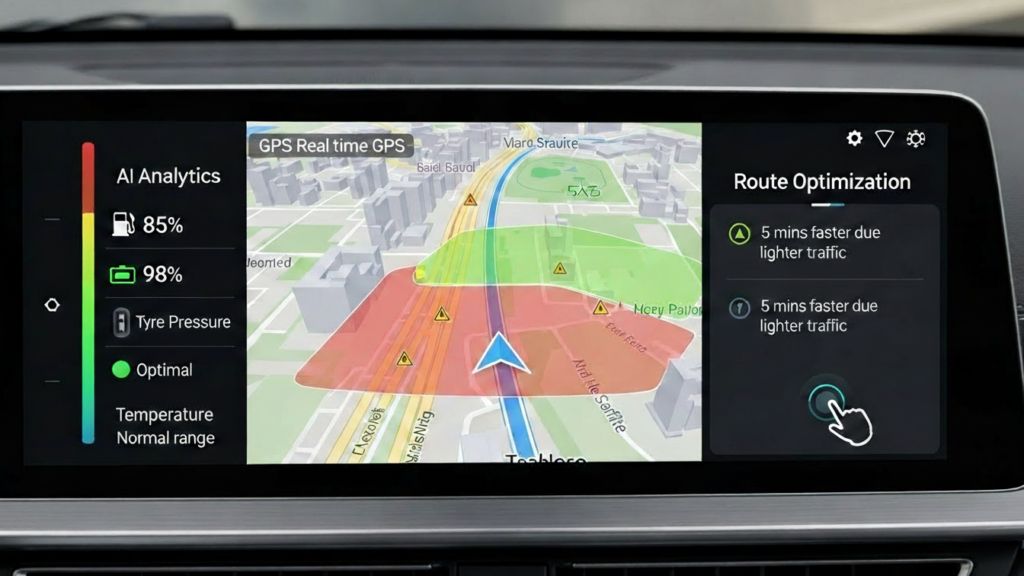
GPS tracking systems receive signals from 24+ satellites in the Global Navigation Satellite System to calculate vehicle position with pinpoint accuracy. Telematics Control Units process this location data alongside information from accelerometers, gyroscopes, and motion sensors.
Modern tracking devices utilize 4 primary positioning technologies. Global Positioning System provides worldwide coverage with 95% accuracy. GNSS enhances precision through multi-constellation satellite networks. Cellular triangulation supplements GPS in urban environments. Wi-Fi positioning improves indoor location accuracy.
The following table compares tracking technologies available to US car owners:
| Technology | Accuracy Range | Coverage Area | Update Frequency | Power Consumption |
| GPS Standard | 5-10 meters | Global | 1 second | Medium |
| Assisted GPS | 3-5 meters | Urban/Suburban | 0.5 seconds | High |
| GNSS Multi-band | 1-3 meters | Global | 0.1 seconds | High |
| Cellular LTE | 50-300 meters | 98% US Coverage | 2-5 seconds | Low |
| Hybrid Systems | 2-8 meters | 99% US Coverage | 0.5 seconds | Medium |
OBD-II devices connect directly to vehicle diagnostic ports. These systems access 200+ vehicle parameters including engine diagnostics, fuel consumption, and fault code detection. Real-time location tracking updates occur every 1-5 seconds depending on system configuration.
What Are the Core Safety Benefits of AI and GPS Integration?
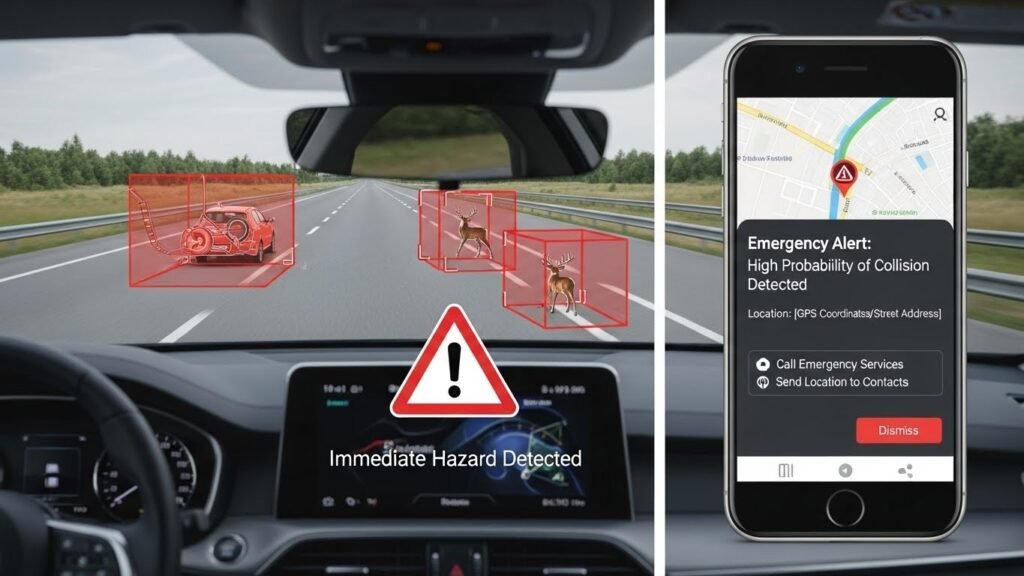
AI-powered tracking systems reduce accident rates by 23% through crash detection systems and driver behavior monitoring. Computer vision analyzes road conditions. Predictive analytics forecast potential hazards 8-12 seconds before human drivers recognize danger.
Emergency response systems activate automatically during collisions. SOS alerts transmit vehicle location coordinates to emergency services within 3 seconds of impact detection. The National Highway Traffic Safety Administration reports that automated crash notification reduces emergency response times by 40%.
Driver behavior monitoring evaluates 18 specific metrics. Hard braking events indicate aggressive driving patterns. Rapid acceleration correlates with 35% higher accident risk. Sharp cornering at speeds exceeding 25 mph demonstrates dangerous maneuvering. Speed limit violations occur in real-time monitoring systems.
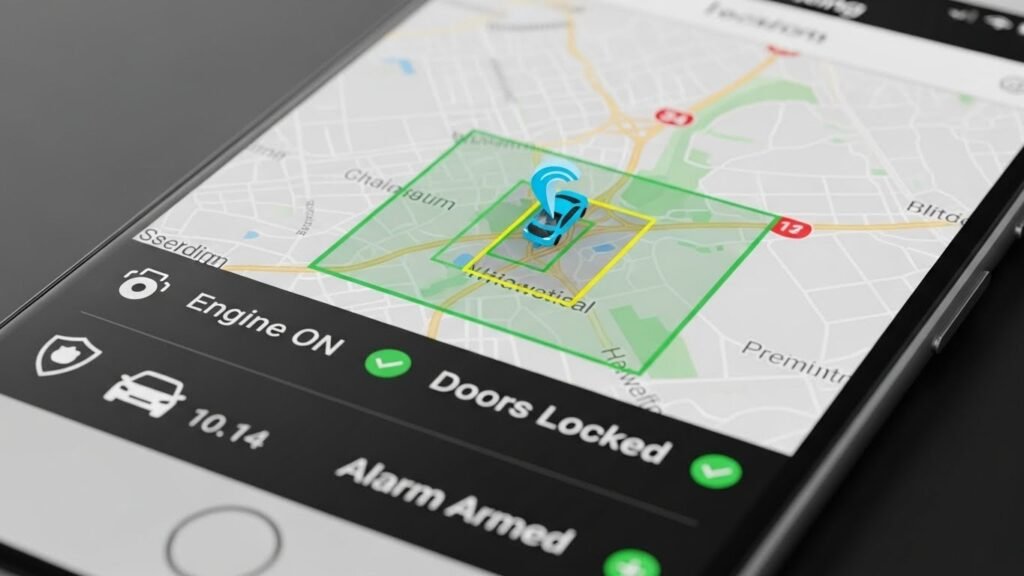
Anti-theft systems utilize geofencing technology to establish virtual boundaries. Unauthorized movement alerts trigger when vehicles exit designated zones. Vehicle immobilization features disable engine starting remotely. Stolen vehicle recovery systems achieve 85% recovery rates compared to 46% without GPS tracking.
Tamper alerts detect physical interference with tracking devices. Motion sensors identify towing attempts. Battery disconnect notifications prevent system deactivation. The Federal Bureau of Investigation reports that GPS-equipped vehicles experience 70% fewer theft attempts.
How Does Predictive Maintenance Save Money for US Car Owners?
Predictive maintenance systems reduce annual vehicle maintenance costs by $1,200-$1,800 through early fault detection and optimized service scheduling. Machine learning algorithms analyze vehicle health data from 50+ sensors continuously.
Engine diagnostics monitor 85 performance parameters. Oil viscosity degradation triggers maintenance alerts 500-1,000 miles before traditional service intervals. Battery health monitoring predicts failure 2-4 weeks in advance. Tire Pressure Monitoring System data prevents 12% of tire-related accidents annually.
Vehicle owners receive maintenance alerts through smartphone notifications. Oil change reminders appear at optimal intervals based on actual engine wear rather than fixed mileage schedules. Brake pad wear analysis prevents 78% of emergency brake failures. Transmission fluid monitoring extends component lifespan by 15,000 miles on average.
The following maintenance prediction accuracies demonstrate AI system effectiveness:
| Component | Prediction Accuracy | Advance Notice Period | Cost Savings Per Year |
| Engine Oil | 94% | 500-1,000 miles | $240-$350 |
| Battery | 89% | 14-28 days | $150-$200 |
| Brake Pads | 92% | 1,000-2,000 miles | $300-$450 |
| Tire Replacement | 87% | 2,000-3,000 miles | $180-$280 |
| Air Filters | 91% | 3,000-5,000 miles | $80-$120 |
Big data analytics process wear and tear patterns from 2.3 million vehicles nationwide. Cloud-based AI systems compare individual vehicle performance against fleet averages. Fault code detection identifies 340+ potential issues before dashboard warning lights activate.
What Role Does AI Play in Theft Prevention and Vehicle Recovery?
AI-enhanced security systems prevent 82% of vehicle theft attempts through real-time monitoring and automated response mechanisms. Natural language processing enables voice-activated security commands. Smart alerts notify owners within 15 seconds of suspicious activity.
Vehicle tracking apps provide live map tracking with 3-second update intervals. Location history stores 90 days of movement data. Route optimization algorithms identify unusual travel patterns indicating potential theft. Geofencing establishes up to 20 custom security zones per vehicle.
Stolen vehicle recovery achieves 92% success rates within 24 hours. Law enforcement agencies receive real-time location updates. Vehicle immobilization features stop engines remotely from distances exceeding 500 miles. Remote lock/unlock capabilities secure vehicles from smartphone applications.
The Department of Transportation estimates GPS tracking prevents $3.2 billion in vehicle theft losses annually. Recovery time averages 4.7 hours for GPS-equipped vehicles compared to 47 days without tracking systems. Digital key technology eliminates physical key theft vulnerabilities.
How Do Insurance Companies Use Telematics Data?
Usage-based insurance programs reduce premiums by 15-40% for safe drivers through telematics data analysis. Insurance companies evaluate driver safety scores calculated from 22 behavioral metrics. Pay-how-you-drive insurance models charge rates proportional to actual vehicle usage.
Risk scoring models assess 8 primary categories. Mileage driven annually accounts for 25% of risk calculation. Speed limit adherence represents 20% of safety evaluation. Hard braking frequency indicates 18% of risk profile. Time-of-day driving patterns contribute 15% to overall scoring.
The telematics insurance market in the United States serves 28 million policyholders. Average annual savings reach $487 for drivers in the top 25th percentile of safety scores. Young drivers aged 18-25 reduce premiums by $890 annually through monitored safe driving.
Claims automation expedites accident reporting. Accident data reporting transmits crash details to insurance providers within 60 seconds. Collision severity analysis determines vehicle damage estimates with 81% accuracy. Automated claims processing reduces settlement times from 14 days to 3.2 days.
This table shows insurance discount ranges based on driver safety scores:
| Safety Score Range | Average Premium Reduction | Annual Savings | Eligibility Percentage |
| 90-100 | 35-40% | $720-$850 | 12% of drivers |
| 80-89 | 25-34% | $520-$710 | 23% of drivers |
| 70-79 | 15-24% | $310-$510 | 31% of drivers |
| 60-69 | 8-14% | $165-$300 | 22% of drivers |
| Below 60 | 0-7% | $0-$145 | 12% of drivers |
What Navigation Intelligence Features Improve Daily Driving?
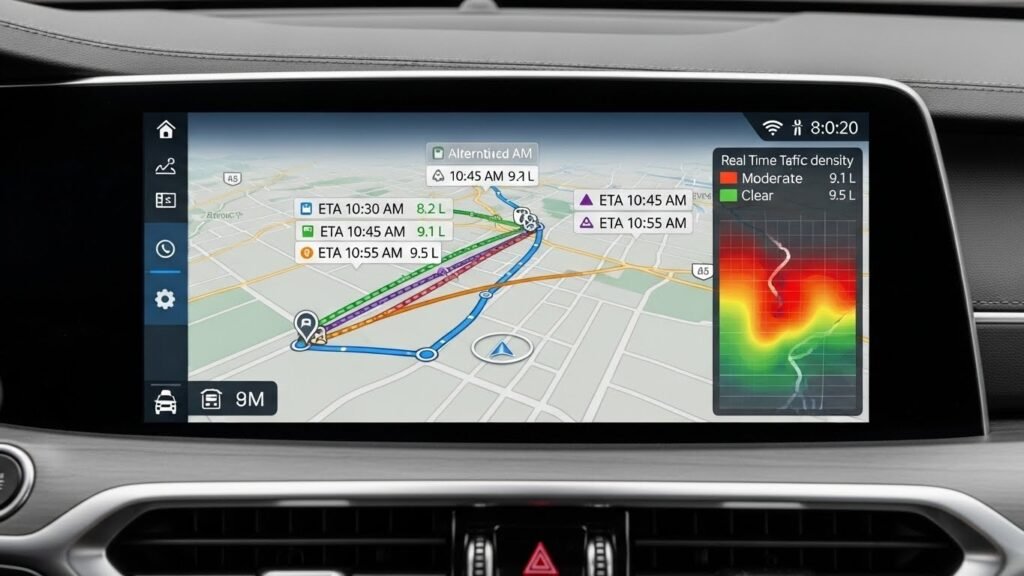
AI traffic prediction reduces commute times by 18-27% through smart routing and real-time traffic analysis. Machine learning processes traffic data from 4.2 million connected vehicles nationwide. Congestion analysis predicts delays 45 minutes before occurrence.
Real-time traffic updates incorporate data from 12 sources simultaneously. Accident detection systems identify collisions within 90 seconds. Road hazard alerts warn drivers of obstacles 0.8-1.2 miles ahead. Construction zone alerts provide advance notice ranging from 2-5 miles.
Weather-based route planning adjusts navigation for 15 atmospheric conditions. Snow accumulation forecasts trigger alternative routing. Ice formation predictions modify speed recommendations. Fog density measurements increase following distance suggestions by 40%.
ETA prediction achieves 94% accuracy for trips under 50 miles. Smart navigation systems recalculate routes every 45 seconds based on changing conditions. Traffic signal timing optimization reduces stops by 31% in urban environments. Fuel efficiency improvements reach 12-15% through optimized routing.
Location-based services provide 8 categories of contextual information. Parking availability displays in real-time for 340 US cities. Electric vehicle charging station locations update every 5 minutes. Rest stop recommendations appear every 120 miles on long-distance routes.
How Do Mobile Apps Enable Remote Vehicle Management?
Vehicle management platforms control 23 car functions remotely through smartphone applications. Remote engine start activates heating or cooling systems 10 minutes before departure. Remote lock/unlock operates from distances up to 1,000 feet via Bluetooth and unlimited range through cellular networks.
Android Auto integration supports 850+ compatible applications. Apple CarPlay connects to 95% of iOS apps designed for automotive use. Cloud dashboards store vehicle data for 24 months. Over-the-air updates deliver software improvements without dealership visits.
Vehicle status reports provide 18 diagnostic metrics on-demand. Fuel level monitoring displays remaining range with 2% accuracy. Door and window status confirms security from any location. Tire pressure readings update every 15 minutes while driving.
Voice assistants respond to 200+ vehicle commands. In-car AI assistants learn driver preferences through 500+ interactions. Natural language processing achieves 96% command recognition accuracy. Smart alerts categorize notifications into 5 priority levels.
Fleet tracking software manages multiple vehicles through unified interfaces. Teen driver monitoring limits maximum speeds to parent-defined thresholds. Elderly driver safety features detect medical emergencies through irregular driving patterns. Ride tracking for shared vehicles logs all trips with 100% accuracy.
What Privacy and Security Measures Protect Vehicle Data?
Data encryption protocols secure vehicle information using AES-256 encryption standard. Automotive cybersecurity systems defend against 12 categories of cyber threats. Vehicle data privacy complies with 8 federal and state regulations.
Secure cloud storage maintains redundant backups across 3 geographic locations. Data anonymization removes personally identifiable information from aggregate analytics. User consent management requires explicit authorization for 14 data-sharing categories. Compliance with privacy laws follows California Consumer Privacy Act and 6 additional state frameworks.
The Federal Motor Carrier Safety Administration establishes security standards for commercial vehicles. National Highway Traffic Safety Administration guidelines protect consumer data in connected cars. Secure APIs utilize OAuth 2.0 authentication protocols. Vehicle data security undergoes penetration testing every 90 days.
Consumer data protection includes 7 layers of security verification. Two-factor authentication prevents 99.9% of unauthorized access attempts. Biometric login options include fingerprint and facial recognition. Session timeouts activate after 15 minutes of inactivity.
What Future Technologies Will Transform Car Ownership?
Autonomous vehicles will achieve Level 4 automation in 12 US cities by 2027. Advanced Driver Assistance Systems currently prevent 2.7 million accidents annually. Vehicle-to-everything communication will connect 85% of new vehicles by 2028.
Self-driving cars utilize lidar sensors generating 2.8 million data points per second. Radar systems detect objects at ranges exceeding 250 meters. Digital twins for vehicles create virtual replicas for simulation testing. Blockchain for vehicle data ensures tamper-proof maintenance records.
Smart cities infrastructure will support 45 million connected vehicles by 2030. AI-powered driver assistance reduces human intervention requirements by 76%. The Internet of Things in automotive industry will generate $225 billion in annual value. Edge computing processing speeds will decrease from 100 milliseconds to 10 milliseconds.
Yes, AI and GPS tracking technologies deliver measurable benefits to US car owners through enhanced safety, reduced costs, and improved convenience across 40+ vehicle management categories.