7 Insider Tips to Cheap Car Shipping Without Compromising on Quality
Written by AWZ auto Transport Editorial Team – 10 Min Read
Shipping a car can turn into a stressful, expensive guessing game, especially when you’re trying to balance affordability with reliability. Whether you’re relocating across the country, buying a car from an out-of-state dealer, or sending a vehicle to a family member, the goal is the same: find a trustworthy, affordable car shipping company without overpaying.
The good news is that cheap car shipping and quality service aren’t mutually exclusive. With the right knowledge of transport modes, cost drivers, and how to vet a company, you can cut your bill significantly without gambling on your vehicle’s safety and without making any of these common shipping mistakes. Here are seven insider strategies including a few most guides leave out to help you book smart.
1. Compare Multiple Car Transport Quotes (and Read Them Carefully)
Getting several quotes is the single most effective way to avoid overpaying. Most auto transport companies and brokers offer free online estimates, try running your route through an auto shipping cost calculator to get a baseline before you start comparing so there’s no reason to book the first number you see.
When comparing quotes:
- Don’t default to the cheapest number. An unusually low quote is one of the most common warning signs of a bait-and-switch scam, where the price quietly climbs once your car is scheduled for pickup.
- Get an itemized breakdown. A trustworthy quote spells out the base rate, fuel surcharge, and any additional fees not a single vague “all-in” number.
- Compare like-for-like. Make sure every quote you’re comparing covers the same transport type (open vs. enclosed), the same pickup window, and the same service level (door-to-door vs. terminal-to-terminal).
2. Verify the Company Before You Pay a Cent
This is the step most “cheap shipping” guides skip and it’s the one that protects your money and your car. Auto transport fraud has been on the rise, and the Federal Motor Carrier Safety Administration (FMCSA) has publicly flagged an increase in complaints tied to deceptive brokers and fake listings.
Before booking with anyone, run these checks:
- Verify their license and registration. Every legitimate carrier or broker operating in the U.S. must be registered with the FMCSA. You can verify a company’s authority, insurance status, and safety record for free using the FMCSA’s SAFER Company Snapshot tool.
- Confirm carrier vs. broker. A carrier owns and operates the trucks; a broker coordinates your shipment with a network of vetted carriers, similar to how a travel agent books flights without owning the plane. Neither is inherently better — but you should know which one you’re dealing with, and how to avoid common problems with auto transport brokers.
- Cross-check contact details. If the phone number, business address, or company name on the website doesn’t match what’s listed in the FMCSA database, treat that as a hard stop. This is one of the fastest ways to tell if a car transport company is legit.
- Check reviews across multiple platforms — Google, the Better Business Bureau (BBB), and industry-specific sites like Transport Reviews rather than relying on testimonials posted on the company’s own site.
- Watch the payment request. Legitimate companies typically collect a small deposit only after a carrier has been confirmed for your shipment, and they accept traceable payment methods like credit cards. Requests for full upfront payment via wire transfer, gift cards, or cryptocurrency are a major red flag.
Spending 15 minutes on this step before you book can save you from losing a deposit or your vehicle to a scam.
3. Choose the Right Transport Method: Open vs. Enclosed
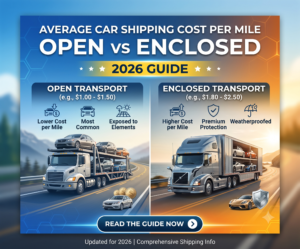
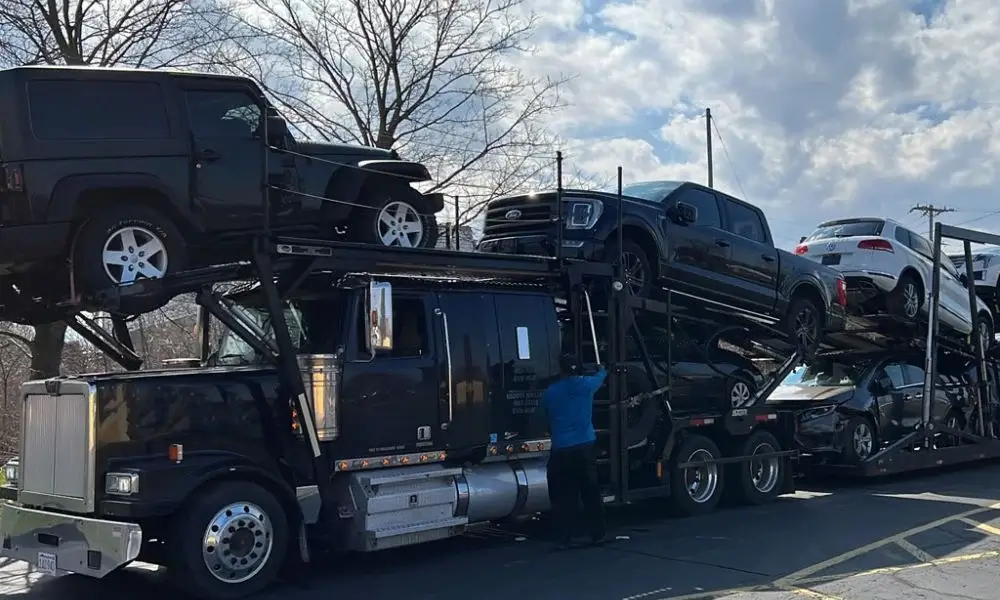
If affordability is your priority, open car transport is almost always the better choice over enclosed auto transport. For a deeper breakdown, see our full open vs. enclosed car transport comparison and car shipping cost per mile guide.
| Open Transport | Enclosed Transport | |
|---|---|---|
| Cost | Lower, the standard, most widely used option | Roughly 30–40% more expensive |
| Best for | Everyday commuter and standard vehicles | Luxury, antique, exotic, or high-performance cars |
| Carrier availability | High, more trucks, faster scheduling | Limited, fewer carriers, longer wait times |
| Protection | Exposed to weather and road debris (car may arrive dusty) | Fully shielded from weather, dust, and debris |
Unless you’re shipping a classic car, a high-value collector vehicle, or something with limited production, open transport delivers the same safe, reliable outcome for meaningfully less money often the most inexpensive way to transport a car overall.
4. Book Early and Stay Flexible
Auto transport pricing responds directly to supply and demand, and last-minute bookings almost always cost more because carriers have less flexibility to fit you into an existing route.
To lock in a better rate:
- Book at least two to three weeks ahead whenever possible. This gives brokers time to shop your shipment to multiple carriers and gives carriers time to build your pickup into an efficient route.
- Be flexible on pickup and drop-off dates. A wider window opens your shipment to more carriers, which increases competition for your business and can bring the price down.
- Understand seasonality. Demand and prices typically spike during peak shipping season (roughly April through September) and around major moving periods like the start of summer and the holidays. If you’re a seasonal “snowbird“ relocating on a predictable schedule, booking well ahead of that seasonal rush can meaningfully lower your cost.
- Consider vehicle size. Larger vehicles (trucks, SUVs, vans) often carry a price premium since they take up more space on a carrier — something to factor in if you’re shipping more than one vehicle or have flexibility in which car to send.
5. Weigh Door-to-Door Against Terminal-to-Terminal
Most people default to door-to-door shipping because it’s convenient, the carrier picks up and drops off your vehicle at the addresses you specify. But it isn’t always the cheapest option.
Terminal-to-terminal shipping, where you drop off and collect your car at a designated terminal rather than your driveway, can lower your cost since the carrier isn’t detouring to reach you directly. It requires more legwork on your end, but for budget-conscious shippers who live near a terminal or can route through one, it’s worth asking about.
A few practical notes either way:
- If you choose door-to-door, confirm the company actually services your specific pickup and delivery addresses rural or out-of-the-way locations sometimes carry an added fee.
- Locations near major highways or urban centers are generally cheaper to service than remote addresses, since carriers can reach them without going out of their way.
6. Understand Your Insurance Coverage and the Bill of Lading
Cheap shipping only pays off if your car arrives undamaged, so don’t treat insurance as a formality.
- Request a copy of the carrier’s certificate of insurance (COI) and confirm the coverage amount, don’t just take a verbal assurance that “you’re covered.”
- Ask about supplemental coverage if you’re shipping a high-value or hard-to-replace vehicle, since standard carrier policies may have coverage caps.
- Know the Bill of Lading. This document, signed at both pickup and delivery, records the vehicle’s condition and is the single most important piece of paperwork if you ever need to file a damage claim. Walk around the vehicle with the driver at pickup and again at delivery, and make sure any existing damage (or new damage) is noted on it before you sign.
- Photograph your vehicle from all angles immediately before pickup as your own backup record.
This step matters most for cross-country and international car shipping, where the vehicle spends more time in transit and passes through more handling points.
7. Prep Your Vehicle and Pick the Right Pickup Window
Two small, often-overlooked steps can also affect your final cost and experience:
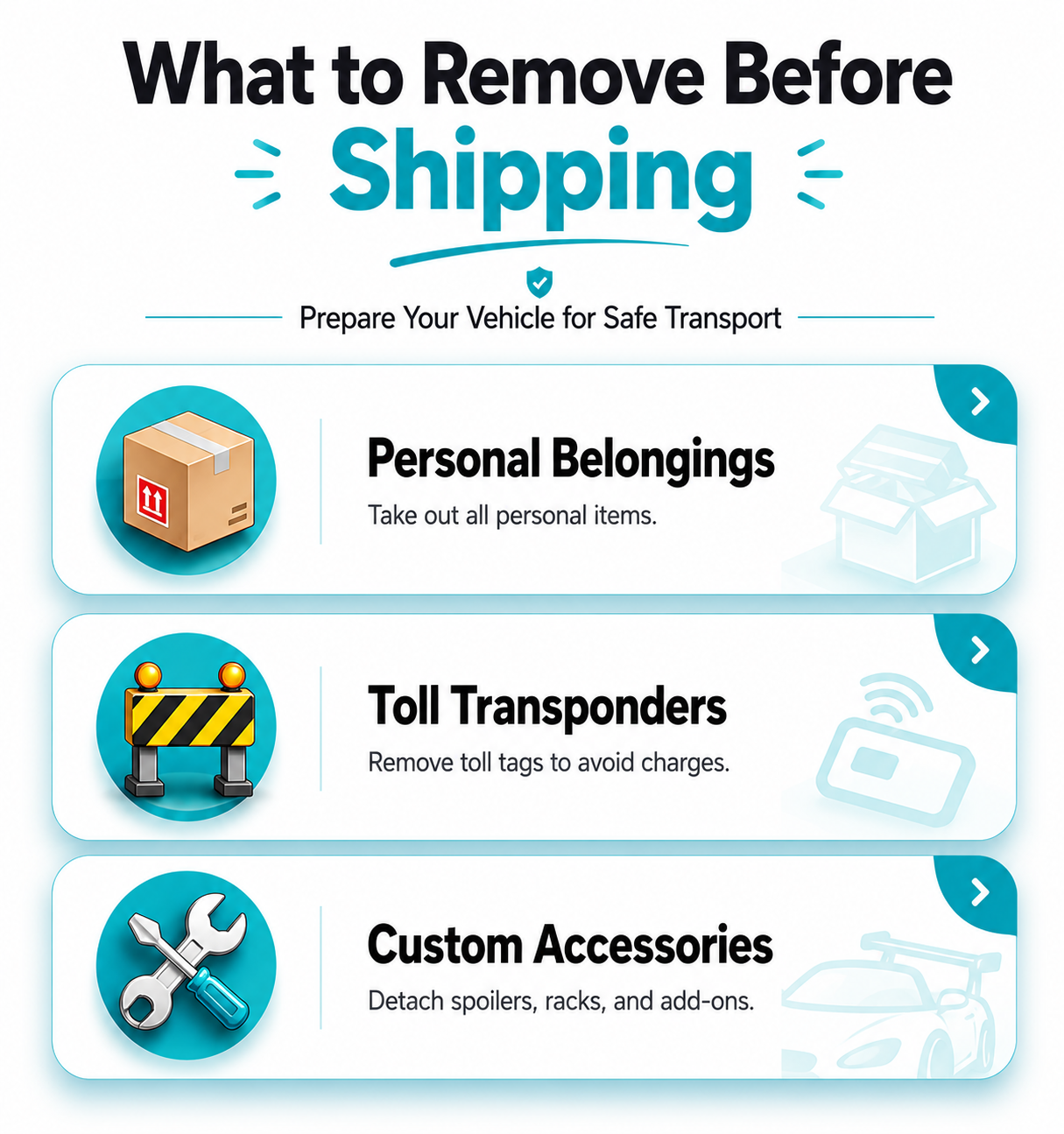
- Prep the car before pickup. Remove personal items (most carriers won’t transport belongings inside the vehicle), keep the fuel tank around a quarter full, and expect the car to arrive dusty if you chose open transport, a wash after delivery takes care of it.
- Choose your pickup window deliberately. Standard pickup windows (often five business days) are the most cost-effective option. Expedited windows — sometimes as tight as two to three days, get your car moving faster but usually come with an added fee. If you’re not in a rush, skip the expedite charge.
Frequently Asked Questions
What’s the cheapest way to ship a car?
Open transport is almost always the most affordable option, especially when combined with early booking, flexible pickup dates, and terminal-to-terminal service if it’s available in your area.
How do I know if a car shipping company is legitimate?
Look up its USDOT and MC numbers in the FMCSA’s SAFER database, confirm its contact details match what’s on file, and check reviews on Google, the BBB, and independent platforms like Transport Reviews.Is door-to-door or terminal-to-terminal cheaper?
Terminal-to-terminal is typically cheaper but less convenient. Door-to-door costs more but saves you the trip to and from a terminal.
How far in advance should I book car shipping?
Two to three weeks is a reasonable minimum. Booking earlier gives you more pricing flexibility, especially during peak season (April–September).
Does car shipping insurance cover damage?
Most carriers carry basic cargo insurance, but coverage limits vary. Request the certificate of insurance directly, ask about supplemental coverage for high-value vehicles, and make sure any damage is documented on the Bill of Lading at both pickup and delivery.
Conclusion
Affordable car transport doesn’t require cutting corners, it requires planning. Comparing multiple quotes, verifying a company’s FMCSA licensing before you pay anything, choosing open transport when it fits your vehicle, booking early, weighing door-to-door against terminal-to-terminal, and understanding your insurance coverage and Bill of Lading together form a complete strategy for getting your vehicle where it needs to go safely and affordably. Whether you’re shipping across town, across the country, or overseas, these seven steps consistently deliver the best combination of price and peace of mind.
Author
Senior Auto Transport SpecialistDaniel Reyes is an Auto Transport Content Strategist at AWZ Auto Transport, where he covers the vehicle shipping industry with a research-driven approach informed by more than eight years of experience in vehicle logistics. Before writing, he reviews carrier licensing records, current pricing trends, and real customer shipping experiences to ensure every guide reflects industry practice rather than marketing claims. His work is dedicated to helping readers make informed shipping decisions from comparing quotes and avoiding scams to getting their vehicle delivered safely and affordably.